Campus Locksmith Solutions 24 Hours Downtown Orlando
When an administrator calls about a stuck classroom lock, the response requires speed and practical knowledge. I write from years on the job responding to early-morning lockouts, after-hours security calls, and scheduled rekeying projects for local campuses. The practical details matter, and one place to start is knowing who to call for fast, reliable service; for many central Florida schools that contact is 24-hour locksmith embedded in the community and ready to respond. The following sections cover typical problems, realistic timeframes, and what to expect when a locksmith arrives.
Understanding what "emergency locksmith" actually means for a school.
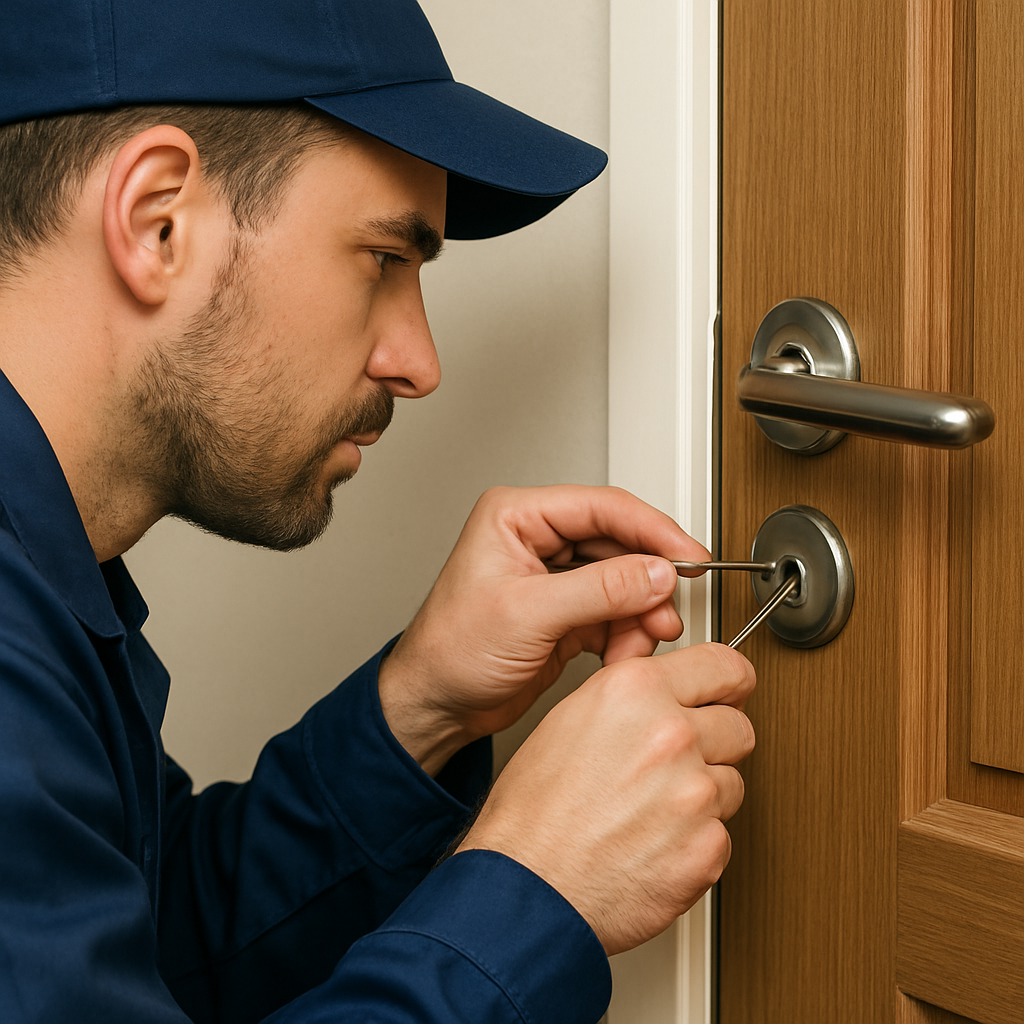
Most school lock incidents create operational disruption rather than a headline crisis. A true emergency locksmith response is arriving with the right tools, the right parts, and the training to work on institutional hardware. Time estimates matter: for a simple classroom door we aim for 15 to 30 minutes on site and often resolve the problem within an hour.
How a technician triages a school lock emergency.
The opening move is always an assessment, written notes, and photographs when administrators require them. If a lock has been tampered with or vandalized, the technician will secure the opening and preserve evidence for school administrators. Good locksmiths leave a clear service record and explain any recommended follow-up work.
Choosing between repair, rekeying, or replacing hardware is a common decision for administrators.
Repair usually wins when the mechanism is intact and the problem is mechanical debris or a minor alignment issue. When a key is unaccounted for, rekeying affected cylinders reduces risk at reasonable cost. Replacement makes sense for high-traffic doors that currently use worn tubular locks or outdated hardware.
Knowing which locks are common on Florida campuses helps you plan budgets and response.
Simple classroom cylindrical locks are common and inexpensive to service or rekey. Exterior doors sometimes have electronic strikes or readers integrated with campus access systems and those calls involve coordination with IT teams. A small inventory of common parts reduces emergency call cost and response time.
Prepare the authorization and identification your locksmith will need.
District policies often require a purchase order or documented consent for certain repairs. Good vendors will have state licenses, liability coverage, and, where relevant, background checks for employees. Having a standing order or an approved vendor agreement shortens response time and simplifies invoicing.
The interplay between locksmiths and IT during a campus electronic lock outage.
If a lock is powered but won't release, the fix could be mechanical, electrical, or software-related. A locksmith will test the strike and latch manually and remove the reader if necessary to restore egress and controlled access. A clear incident report after the event helps prevent recurrence.
Lost keys and the security calculus to follow.
If the key controls exterior access or master functions, expand the response to include master rekeying. Rekeying clusters of doors to a new key reduces the chance of multiple rekey events later. Keep key issuance logs and require staff to sign for keys to create accountability.
Breaking down a typical school locksmith invoice.
An urgent after-hours call will often include a premium compared with scheduled daytime service. Parts like specialty cylindrical cores or electronic strikes add to the material cost. Ask for a written estimate before nonemergency work, and ask technicians to explain any recommended safety upgrades and their expected key fob programming lifecycle.
Training your staff to respond to a lock issue reduces disruption and ensures safety.
Train a small number of staff to assess whether a situation is a true emergency or a routine Florida maintenance job. Teach staff to avoid forcing doors, using improvised tools, or allowing unknown vendors access without authorization. Practice reduces hesitation and helps staff follow the correct reporting steps.
Upgrading to electronic access control has advantages but also introduces new maintenance needs.
Electrified hardware can improve safety but requires disciplined maintenance. Phasing also gives staff time to adapt to new credentials and procedures. The locksmith you choose should be comfortable with both the mechanical and electronic sides of the project.
Maintenance programs that reduce emergency calls are cost-effective.
Small repairs during scheduled maintenance prevent after-hours calls. Keep spare cylinders, standard cores, screws, and a few common electric strikes on hand to speed repairs. Track door cycles and environmental factors like coastal humidity, which shortens hardware life.
What to look for when vetting a locksmith service for your school.
References from other districts are especially valuable when you want assurance of fit. A good vendor will track first-visit resolution rates and give realistic response windows. Negotiate service-level expectations into the agreement, including required documentation after each call.
A few brief, anonymized anecdotes that illustrate common scenarios.
A middle school had repeated jamb strikes because budget custodial adjustments left doors scraping, and a quarterly check eliminated the recurring after-hours calls. They prevented unauthorized access by rekeying only high-risk doors, saving time and expense. That project taught the value of fail-safe planning.
Quick actions that cut delay and cost when locks fail.
Have one authorized administrator who can sign off after-hours if your district policy allows. Schedule a quarterly inspection and record findings so repairs are planned not reactive. Train staff on escalation steps, and require sign-out for keys to create accountability.
A closing practical note about relationships and expectations.
Trust builds efficiency because the technician has fewer surprises. Clear expectations avoid repeated after-hours disruptions and keep costs predictable. Good locksmithing reduces risk and keeps schools open and functioning.